A grounded introduction to herbalism, plant medicine, and the everyday herbs that can support stress, sleep, gut health, energy, and seasonal transitions—without making wellness feel complicated.
Herbalism can feel like a whole other world.
Apothecary shelves.
Latin plant names.
Tinctures you’ve never heard of.
It can seem like something you need to fully understand before you even begin.
But the truth is much simpler.
Herbalism is simply the practice of working with plants that support the body—many of which are already part of your daily life.
Your tea. Your garlic. Even the plants growing outside your door.
This guide is a grounded starting point.
Why This Guide Exists
For many people, herbalism isn’t something they’ve been exposed to.
It can feel unfamiliar—like a different language, a different way of thinking about health, or something that belongs to another culture or time.
At the same time, there’s often a quiet curiosity.
A sense that there might be simpler, more grounded ways to support the body. That health doesn’t always have to feel complicated or disconnected from daily life.
The Herbalism 101 guide exists to make herbalism feel more approachable.
To translate plant medicine into something recognizable, practical, and relevant to how we live today.
Not as something you have to master—but as something you can begin to explore, one small step at a time.
Herbalism 101: What We Mean by Plant Medicine
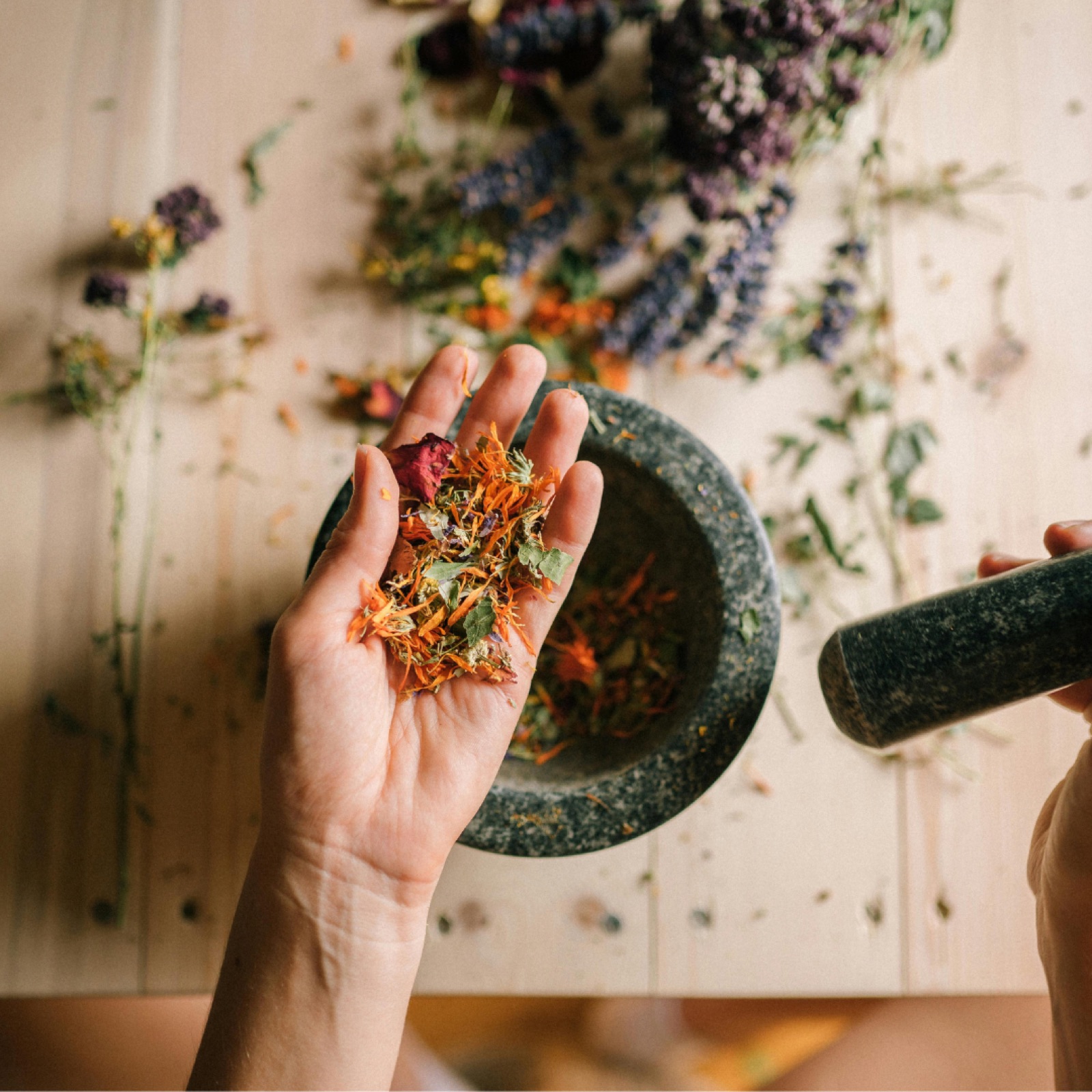
At its core, herbalism is the use of plants to support the body.
That includes:
Leaves, roots, flowers, and mushrooms
Culinary herbs like basil, garlic, and ginger
Plants with long histories of traditional use
Some herbs nourish.
Some calm the nervous system.
Some support digestion, immunity, or energy.
Most do more than one thing.
That’s part of what makes herbalism different—it’s not always a one-symptom, one-solution approach.
Plants tend to work in layers.
And while modern science is catching up, much of herbalism is rooted in traditional knowledge passed down over time.
Herbalism 101 and the Power of Local Herbs
One of the most refreshing parts of herbalism?
You don’t always need to look far.
Many supportive plants are growing locally—sometimes right outside your door.
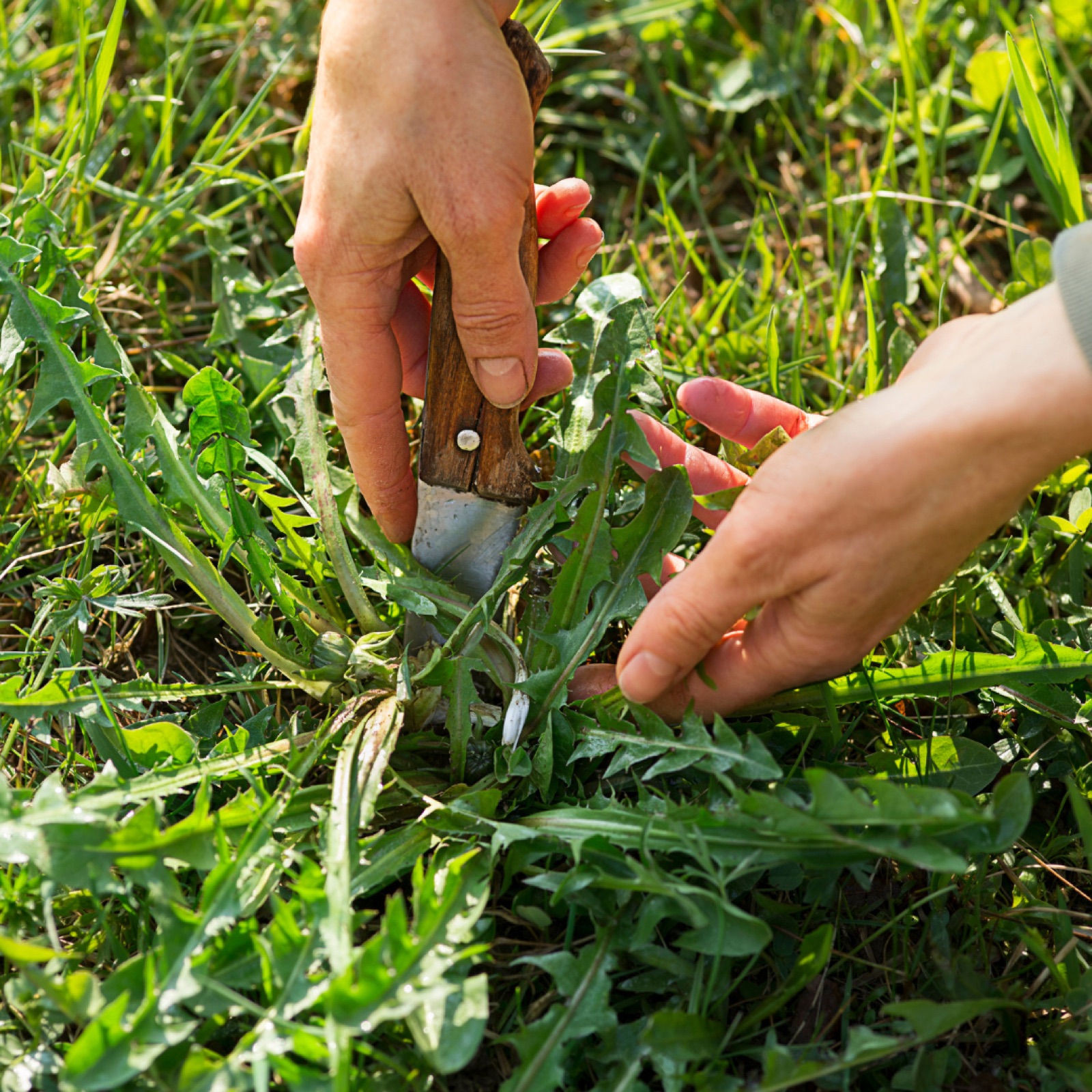
Take dandelion.
Often treated like a nuisance, it’s actually:
Rich in minerals
Supportive for the liver
Especially helpful during seasonal transitions
Or chickweed—a humble early spring plant that can help soothe the lining of the gut.
Or stinging nettle—deeply nourishing and often used for seasonal allergies.
This doesn’t mean you should start harvesting everything you see.
But it does shift your perspective.
The environment around you isn’t empty—it’s active.
A Quick Reality Check: Modern Life + Foraging
Of course, we don’t live in a pristine environment.
Pesticides, lawn treatments, and environmental exposure matter.
That means:
Not everything growing nearby is safe to consume
Your yard may not be a reliable source if it’s been treated
Public spaces may also be sprayed
A good starting point:
Look for:
Organic or regenerative farms
Areas you know haven’t been treated
Trusted herbal sources
Herbalism isn’t just about nature—it’s about context.
Herbalism 101: Teas, Tinctures, and Everyday Use
The same plant can work differently depending on how you use it.
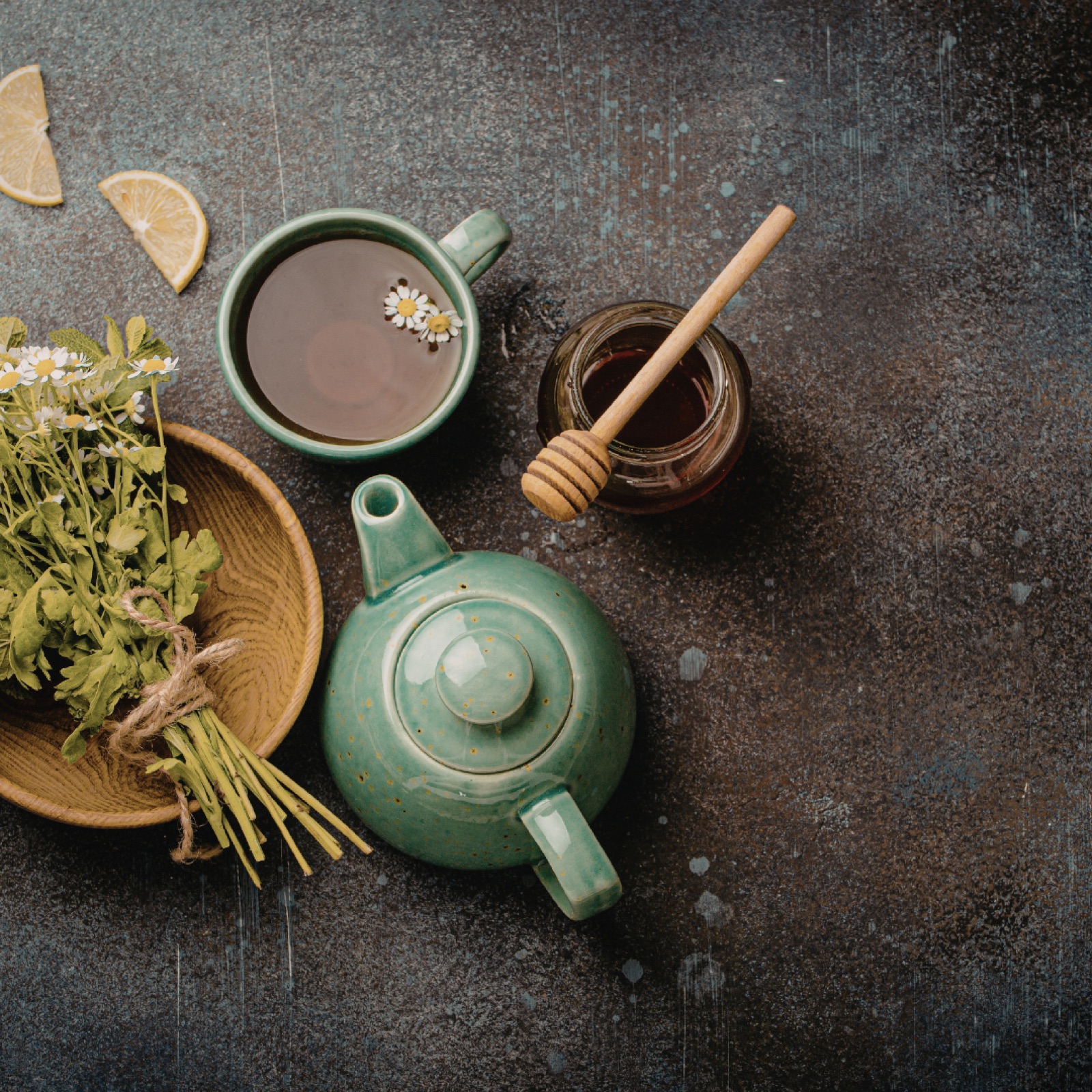
Tea Simple, accessible, and easy to integrate.Great for daily support and creating rituals.
Tinctures Concentrated extracts, often alcohol-based. Fast-acting and convenient.
Capsules Helpful for some, though not always ideal for digestion.
Food + infusions Smoothies, broths, and meals can carry herbal benefits, too.
The goal isn’t perfection.
It’s choosing a format that fits your life.
Common Herbal Supports (Real-Life Examples)
Herbalism becomes more approachable when it connects to real life.
Stress & overwhelm
Skullcap → calming, grounding
Tulsi (holy basil) → supports long-term stress response
Sleep
Valerian root → helpful for falling back asleep
Evening teas → support routine and wind-down
Energy
- Eleuthero → steady, non-jittery support
Seasonal allergies
Stinging nettle → natural antihistamine
Local raw honey → gentle, ongoing exposure
Gut support
Chickweed → soothing to the gut lining
Marshmallow root → supports gut integrity
These aren’t one-size-fits-all solutions.
They’re starting points.
Why Gut Health Comes Up So Often
If there’s one place many herbalists begin, it’s the gut.
Not just digestion—but the lining of the gut.
Why?
Because it impacts:
Immune function
Inflammation
Nutrient absorption
Overall resilience
Modern life—stress, food quality, environmental exposure—can all affect this system.
Supporting it doesn’t have to be complicated.
Sometimes it starts with simple, soothing herbs—and consistency.
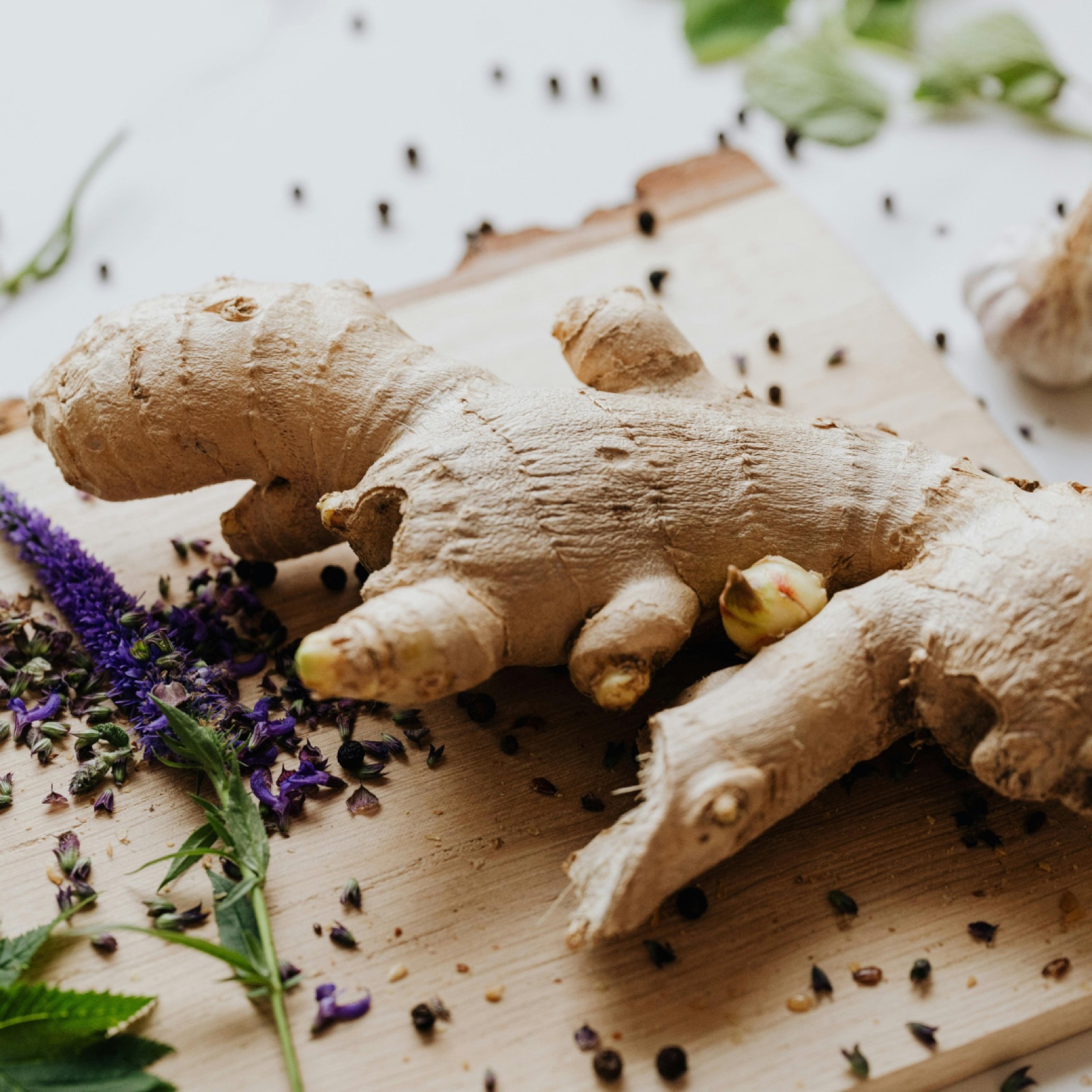
Food Is Medicine (More Than You Think)
Herbalism isn’t separate from your kitchen.
It’s already happening there.
Garlic.
Onions.
Herbs.
Broths.
Even scraps you might throw away—like onion skins or carrot tops—can become nourishing when used intentionally.
You don’t always need more products.
Sometimes you need a different lens.
Herbalism 101 for Beginners: First Steps
If you’re just starting, keep it simple.
You don’t need:
A shelf full of supplements
A deep knowledge of every plant
A full lifestyle overhaul
Start here:
🌿 Pick one herb Learn what it does. Try it consistently.
🍵 Start with tea Simple, affordable, and easy to build into your day.
🛒 Source intentionally Look for organic, local, or trusted suppliers.
📚 Learn in small doses One class, one topic, one step at a time.
🧭 Pay attention to your body Your experience matters more than perfection.
Consistency > intensity.
FAQ: Herbalism 101
What is herbalism in simple terms?
Herbalism is the practice of using plants to support health and wellbeing.
Is herbalism safe for beginners?
Yes—with awareness. Start with well-known herbs and trusted sources.
Do I need supplements to start?
No. Many herbs can be used as teas or in food.
What’s the difference between tea and tinctures?
Tea is water-based and often gentler. Tinctures are concentrated and faster-acting.
Are local herbs better?
Often, yes—but safe sourcing matters.
How long do herbs take to work?
Some act quickly. Others support the body over time. Consistency is key.
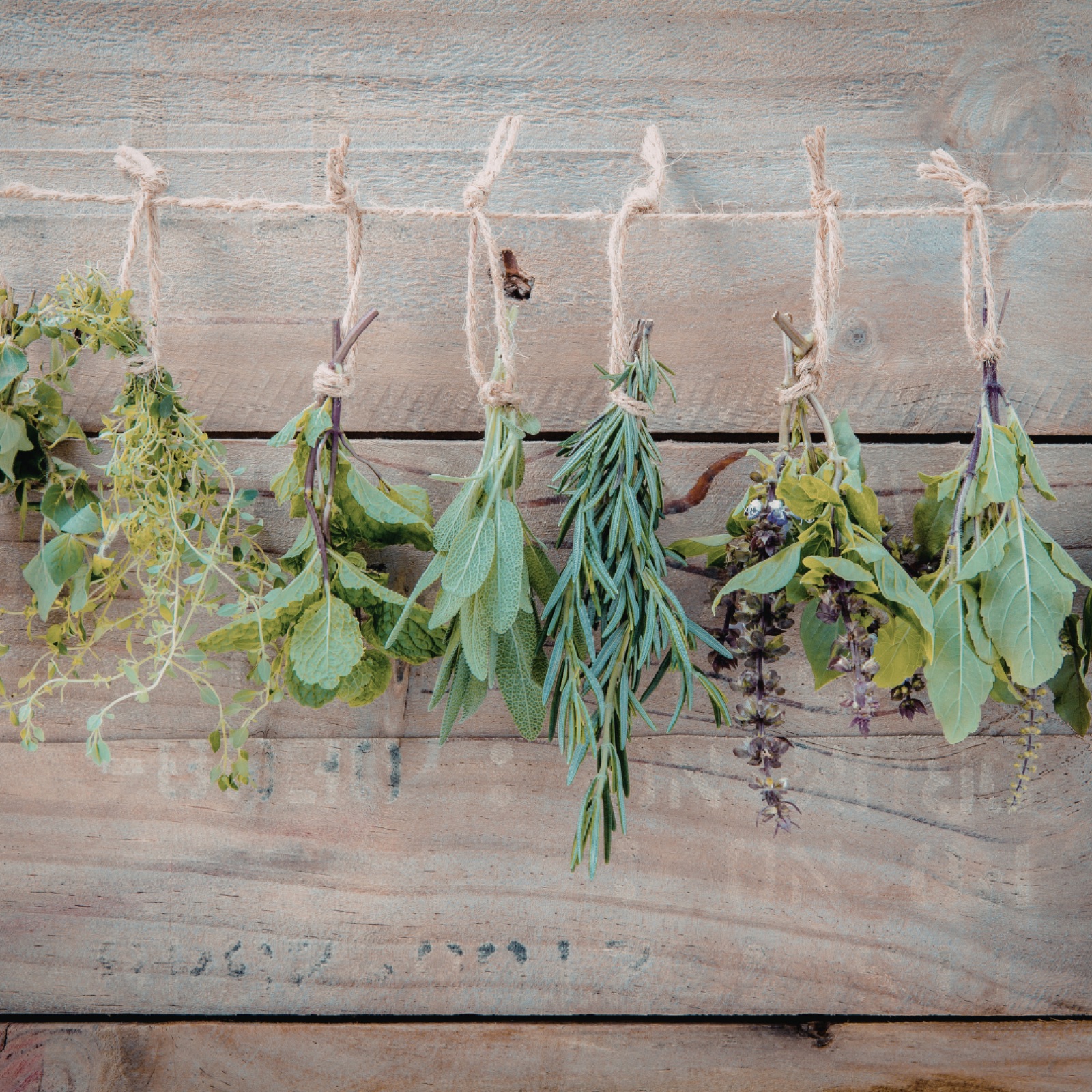
The Real Invitation of Herbalism
Herbalism isn’t about doing everything perfectly.
It’s about paying attention.
To your body. To your environment. To what support actually feels like.
You don’t have to change everything overnight.
You can start with a cup of tea.
A single plant.
A small shift.
And build from there.
Because more often than not—the support you’re looking for is already closer than you think.
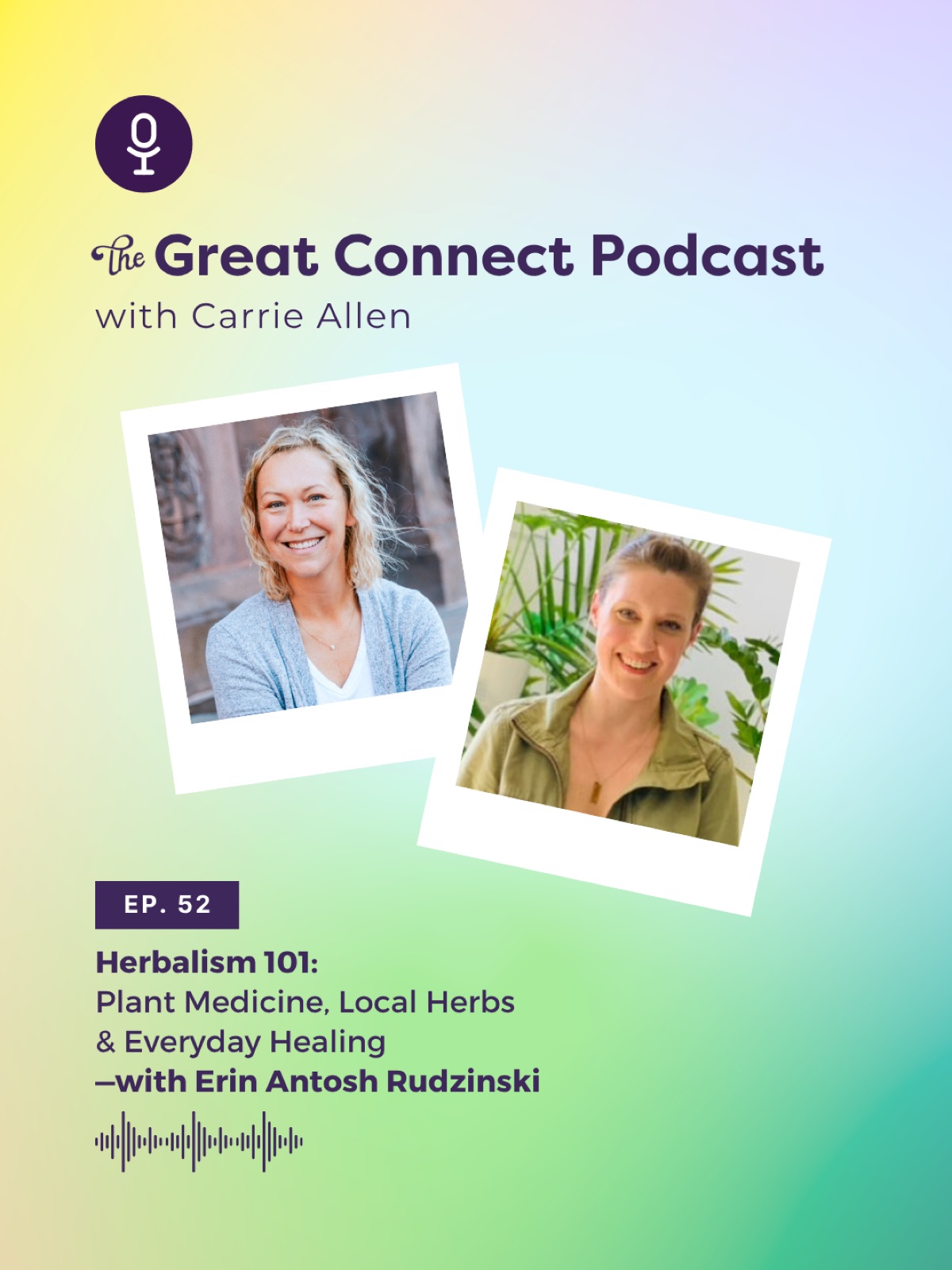
Listen to the Full Episode: Herbalism 101—Plant Medicine, Local Herbs & Everyday Healing (with Erin Antosh Rudzinski)
Want the full conversation on herbalism, plant medicine, and how to actually start using herbs in real life?
Listen to the full episode of The Great Connect with Erin Antosh Rudzinski →
[
](https://www.youtube.com/watch?v=EU19Br1XZow)
In this episode, you’ll learn:
What herbalism and plant medicine actually mean (and why they’re more accessible than you think)
The difference between western herbalism, TCM, and Ayurveda
Why local herbs like dandelion, chickweed, and nettle are so powerful
How teas, tinctures, and other formats change how herbs work in the body
Simple ways to use herbs for stress, sleep, energy, gut health, and seasonal allergies
Why food (like garlic, onions, and broth) is part of the medicine too
Best for you if: you’re curious about herbalism, want to explore plant medicine without overwhelm, or are looking for simple, practical ways to support your body using herbs, food, and your local environment.
Learn More & Connect With Erin
[
](https://www.holistichealthhub.app/where-the-good-grows)
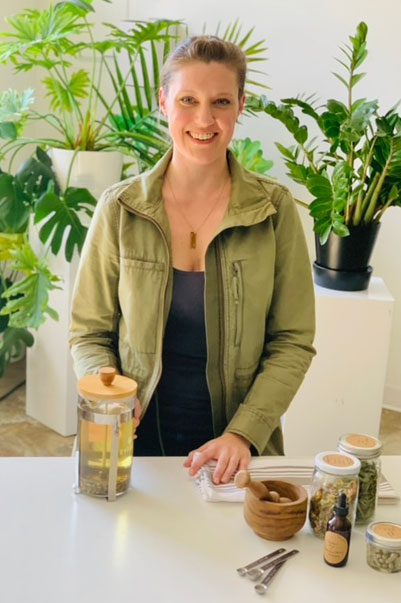
Erin Antosh Rudzinski is a clinical herbalist, educator, and self-described “herb nerd” who helps people reconnect with plant medicine in a way that feels practical, approachable, and rooted in real life.
Through her work, she teaches how everyday herbs—many of them growing locally—can support stress, sleep, gut health, energy, and overall wellbeing.
She is the founder of Where the Good Grows and co-founder of Forest & Flora Wellness, where she leads workshops, corporate experiences, and hands-on classes that make herbalism accessible, interactive, and fun.
Connect with Erin and explore her work on the Holistic Health Hub →
More from The Human Array
📣 Join the healthcare uprising: The national movement calling for a better, more human healthcare system. Add your voice to support the move to whole-person healthcare today.
Know an amazing holistic practitioner? 🌿 Invite them to join our new all-things-holistic Directory (launching to the public very soon)—so more people can find them. Share the invite →
💌 Daily dose of holistic health? Yes, please! 2-min health tips blending modern science + ancient wisdom—stuff you can actually use right away for better sleep, digestion, focus, energy, and more.
🚀 We’re officially fundraising on Wefunder!
Share our vision of a future of health that’s holistic, personal, and connected—rooted in education and real human connection: to self, to others, and to nature?
🖥️ Check out the Hub!
It's free! Find the trusted resources, education, practitioners, and tools you've been seeking—in one trusted space.
📲 Follow along with us on Instagram: The Human Array + The Great Connect
Medical Disclaimer: This content is for educational purposes only and is not medical advice. It is not intended to diagnose, treat, cure, or prevent any condition. Always consult a qualified healthcare provider for questions about your health, medications, or treatment decisions.